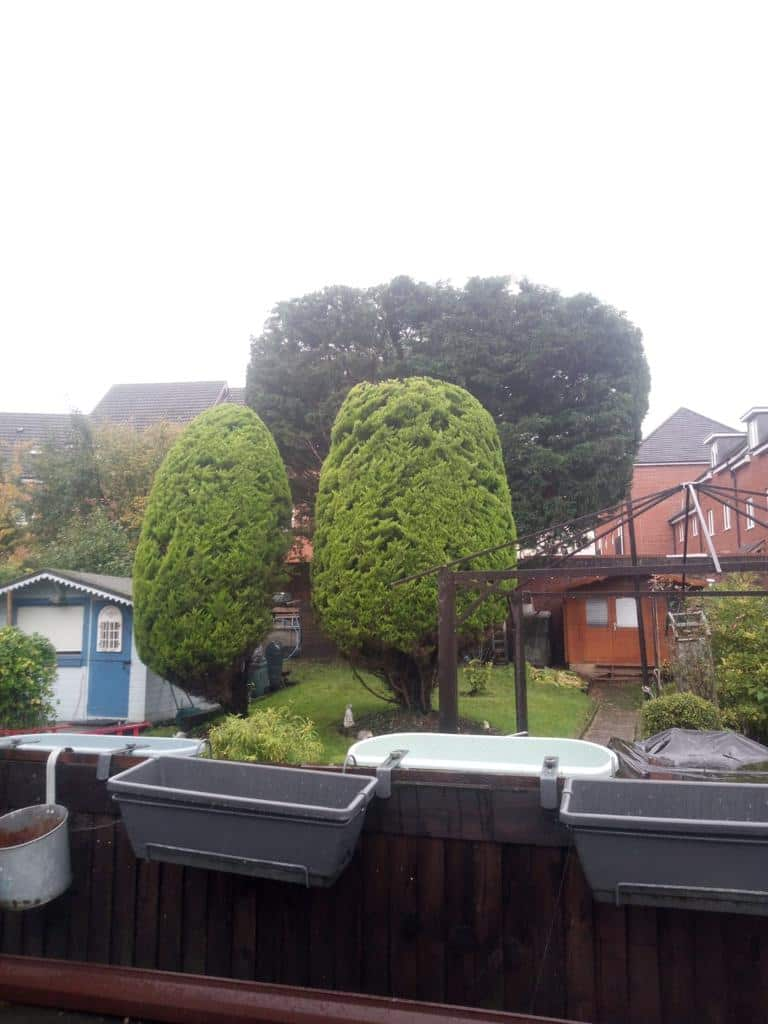
Hedges can provide attractive boundaries, screening and structure around homes and commercial premises. However, without regular care, they may become uneven, overextended or difficult to manage. Growth can obstruct access, reduce visibility and place pressure on nearby surfaces or structures.
Professional hedge maintenance combines appropriate cutting with an understanding of the plant’s species, condition and growth habit. This helps retain a neat appearance while keeping the hedge suitable for its location and intended purpose.
Why Professional Hedge Maintenance Matters
Effective maintenance involves more than cutting every hedge to the same height and shape. The timing, frequency and amount removed should be planned for the individual hedge and its surroundings.
Maintains a Neat, Consistent Appearance
A well-maintained hedge creates a defined edge around a garden, entrance, car park or commercial site. Regular trimming prevents long shoots from disrupting its outline and helps retain a more uniform finish.
For residential properties, this can make the wider garden appear more organised. On commercial premises, tidy boundaries contribute to a well-managed first impression for visitors, customers and staff.
Encourages Denser Growth
Correct trimming can encourage branching within suitable hedge species, helping the plants develop a fuller structure. This is particularly useful where a hedge is intended to provide privacy or form a clear boundary.
Cutting too harshly or at unsuitable points may leave thin patches that recover slowly. A professional assesses the existing density and selects an approach suited to the hedge rather than simply reducing it as far as possible.
Preserves Privacy and Screening
An overgrown hedge does not always provide better screening. Uneven growth can create gaps lower down, while excessive height may make routine maintenance increasingly difficult.
A planned programme helps retain foliage across the face of the hedge and keeps the overall dimensions manageable. This supports more consistent privacy around homes and visual screening around commercial areas.
Keeps Paths and Entrances Clear
Hedges growing beside pavements, driveways, doors and access routes can gradually reduce the available space. Branches may catch clothing, obstruct movement or interfere with vehicles and garden equipment.
Regular maintenance keeps growth within an appropriate boundary. This is valuable around frequently used residential paths as well as entrances, walkways and service areas on commercial properties.
Improves Visibility
Overgrown hedges can restrict sightlines near entrances, parking areas and internal routes. This may make it harder to see approaching people or vehicles.
Selective trimming can restore visibility without unnecessarily removing large sections. The required height and width should be considered in relation to the location rather than chosen for appearance alone.
Prevents the Hedge from Becoming Unmanageable
A hedge left for several seasons can develop thick, woody growth and extend well beyond its intended footprint. Returning it to a suitable size may then require staged reduction rather than one severe cut.
Routine maintenance deals with younger growth before the hedge becomes difficult to control. This makes it easier to preserve its shape and avoid excessive stress on the plants.
Protects Nearby Features
Branches can grow against fences, walls, windows, gutters, signs and parked vehicles. Dense growth may also trap moisture and debris against adjoining surfaces.
Keeping suitable clearance reduces contact and makes nearby features easier to inspect and maintain. Professional cutting can focus on the affected side while preserving the overall balance of the hedge.
Helps Identify Developing Problems
Regular hedge maintenance provides an opportunity to observe changes that may otherwise remain hidden within dense growth. These can include dead sections, damaged stems, poor leaf development or signs that neighbouring plants are competing for space.
Not every change indicates a serious problem, but early recognition makes it easier to decide whether pruning, improved growing conditions or further assessment is needed.
Accounts for Different Hedge Species
Hedges vary considerably in their growth rate, structure and response to cutting. A method suitable for one species may leave another looking sparse or slow to recover.
Professional maintenance considers:
- The hedge species
- Its age and condition
- Previous cutting
- The desired height and width
- The amount of live foliage
- The surrounding space
- The intended purpose of the hedge
This allows the work to be tailored rather than based on a standard trimming routine.
Creates a More Balanced Shape
A hedge that is excessively wide at the top may shade its lower growth, contributing to a thinner base. A suitable shape can help light reach more of the foliage and create a stable, well-proportioned appearance.
Existing gaps or irregular growth may mean that the outline cannot be corrected in one visit. Gradual improvement is often more appropriate than removing too much material at once.
Supports Planned Site Maintenance
Commercial properties often contain several hedges with different roles, including boundary planting, entrance landscaping and screening around service areas. Reactive cutting can lead to inconsistent shapes and repeated obstruction.
A planned maintenance schedule allows work to be organised around growth patterns and the needs of the site. Residential hedges also benefit from regular timing, particularly where several boundaries need to remain manageable.
Provides Suitable Equipment and Access
Tall, wide or difficult-to-reach hedges can be challenging to maintain safely and evenly. Attempting to cut from an unstable position often produces an irregular finish and makes it difficult to see the complete shape.
Professional tree surgeons select equipment and access methods suited to the location. They can work methodically along the hedge while managing nearby planting, surfaces and garden features.
Includes Controlled Waste Management
Hedge cutting can produce a substantial amount of material, especially when growth has been left for some time. Cuttings should be collected so they do not obstruct paths, drainage or surrounding planting.
Professional maintenance includes an organised approach to handling the arisings, leaving the area clearer and making the finished shape easier to assess.
Reduces the Need for Severe Cutting
Frequent light maintenance is generally more controlled than allowing a hedge to outgrow its space and then removing a large amount. Severe reduction can expose old wood and may produce an uneven response depending on the species.
A regular programme helps retain live foliage and makes each maintenance visit more predictable. It also allows adjustments to be made gradually as the hedge develops.
Why Professional Assessment Is Valuable
The correct maintenance plan depends on the hedge’s condition and purpose. A privacy hedge, formal garden boundary and commercial screen may each require a different approach.
Burwell Tree Surgeons assesses the species, dimensions, surrounding features and desired result before carrying out hedge work. This helps deliver an appropriate finish without removing more growth than necessary.
Conclusion
Professional hedge maintenance helps residential and commercial properties retain neat boundaries, clear access and consistent screening. It can also prevent excessive growth, protect nearby features and identify developing problems before they become harder to manage.
If the hedges at your home or commercial property in Burwell, Cambridge, need professional attention, contact Burwell Tree Surgeons to arrange an assessment and discuss a suitable maintenance programme.
Call us on: 01638 592 486
Click here to find out more about Burwell Tree Surgeons
Click here to complete our contact form and see how we can help with your tree care needs.